SEXUAL AND REPRODUCTIVE HEALTH IN ORISSA & NYSASDRI’s ROLE

Sex and Sexual Health is one of the key concerns around the globe. Unfortunately, in India and more especially in Orissa the issue has been a ‘hidden subject’ in the society. It is still considered as a social taboo. Many people are unable to attain optimal sexual and reproductive health (SRH) because of incomplete and in authentic knowledge about health and human sexuality, gender bias, high-risk sexual behaviour, and the above all, unavailability of the poor reproductive health care services. This is substantiated with several indicators of SRH in the state. We in Orissa, have the maximum IMR i.e. 97. As per the NHFS-II, 28% of currently married women in Orissa report some type of reproductive health problems including abnormal vaginal discharge, symptoms of urinary tract infections and pain or bleeding associated during intercourse. Shockingly, among these women, 75% have not sought any advice or treatment. This indicates the traditional shy mindset of people towards the biological phenomenon.

The adolescents are more vulnerable to the problem. As the average age of puberty is falling and that of marriage is increasing, the level of premarital sex practice is also increasing. Young men of age group 15-24 are more responsible for a high proportion of teenage pregnancies. In urban areas the situation is alarming.

On the other hand, the knowledge on sexual health among our adolescents and even of grown-ups is not only incomplete but also distorted- leading to fatal problems including, unwanted Pregnancies, Sexually Transmitted Diseases (STD), HIV/AIDS and a lot of agony and despair. This not only affects biologically, but also causes adverse effects on our psychosocial lives. The distorted knowledge is also reason for several hazardous social behaviours like rape, prostitution and sexual harassment. In this context it should be mentioned that one out of every 10 child in India is sexually abused in India.

In Orissa, the problem is further aggravates due to chronic poverty, youth illiteracy, superstitions, exploitation of middlemen, poor and inadequate access to health service institutions etc. More than 80% of the community are ignorant about safe health practices, available in their locality. About 90% of families have no access to safe delivery and postnatal services. Similarly, awareness regarding HIV/AIDS is only 52.9% and 57.23% among female males, respectively.

Considering the importance of the issue for a qualitative and healthy life NYSASDRI has been regularly working on the subject since 1996. It has made the subject as an issue of priority concern in its agenda. The organisation has taken the responsibility to sensitise the rural and urban society about the issue by conducting workshops at all level.

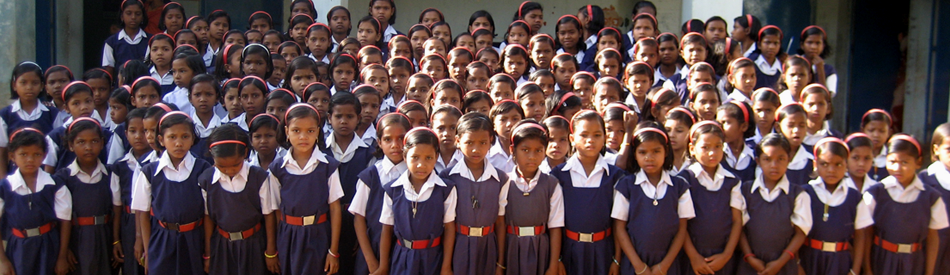
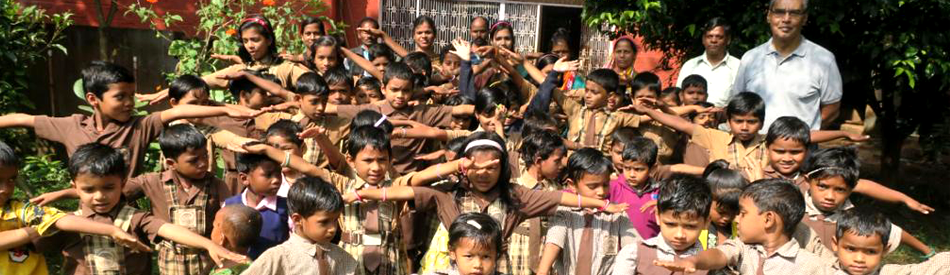
The organisation has been a strong advocate of SRH rights of young people in the state. It has conducted several programs on the subject at all level. At the first phase, it has conducted workshops in Dhenkanal districts of the state, covering 7000 adolescents in 50 schools and colleges. After reasonable success in rural base the organisation, then shifted its focus to Bhubaneswar- the state capital. It conducted one-day PLA workshop and latter two-day PLA cum Sensitisation workshop covering around 100 adolescents from 15 different schools. The workshops were primarily on sex and sexuality coupled with reproductive health rights for younger people. The question was whether to introduce sex education in school curriculum, if yeas, at what level, in what proportion and with which methodology.

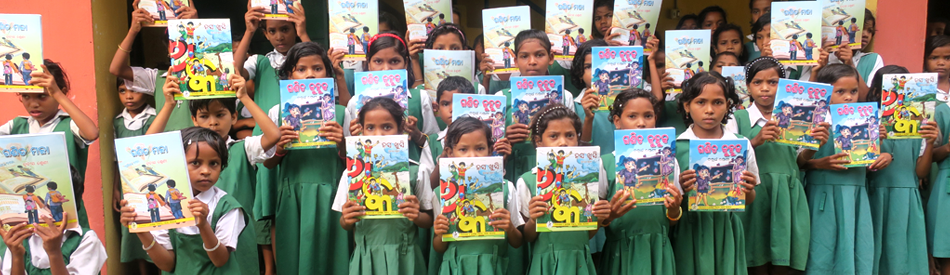
At the same time, the organisation- a strong advocate for SRH rights has taken up several key motivational activities in order to influence the opinion of the policy makers and community leaders. The dedicated staffs of the organisation have been taking up Liaisoning activities with schools, bureaucrats, educationists, media, NGOs and social gatekeepers such as parents, religious leaders and teachers. Efforts are on to convince the authority to include sex education in the school curriculum. Literature and publicity material are regularly published and distributed among the target audience for greater sensitisation and action. Emphasis has been laid on disseminating materials on HIV/AIDS, STDs and other sexual problem. Leaflets and other informative materials are distributed among school children and adolescents for their better SRH practice.

During its initiatives on SRH advocacy the organisation was also successful to gather support of several national and international organisations. European Commission and Population Concern, London, Rockefeller Foundation and other organisations have supported the NYSASDRI at different interval of time. With a small grant from the EC in 1999, the organisation in association with Population Concern (PC) collaborated on a schools project, using participatory methodologies to deliver sex education. In 2000, with funding from the Rockefeller Foundation, PC and NYSASDRI held a series of SRH workshops at community and state level.

In February 2004, NYSASDRI has launched a programme on “Strengthening Sexual and Reproductive Health - Youth Advocacy Network in Orissa” with support form the International Family Health (IFH), London. The programme was proposed to be implemented in Malkangiri, Dhenkanal and Deogarh districts of the state. It was a highly ambitious programme aiming to sensitise the community and form a state level at on SRH. The programme was envisaged to include all the development stakeholders including Media, Policy Makers, Bureaucrats, Schools, Parents, Religious leaders and other Social gatekeepers. Regrettable, in view of dissolution of IFH, the programme was stopped at its infancy and could not be implemented in the field. It was one of the biggest setbacks for the organisation.

NYSASDRI, in its endeavour to foster an environment for better SRH in Orissa, is quite successful to convince the development stakeholders about the need of the subject. Initially, the response was not encouraging. In fact, during 1996, when NYSASDRI spoke on sex education in schools, everybody including media said that ‘it was nonsense’. Then during 1997-98, the same persons uttered that ‘it was a controversial issue’. Then in 2001, due to NYSASDRI’s continuous efforts, media, government and NGOs opined for introducing sex education in schools. It’s lobbying for sex education to be included in the school curriculum got a boost when ‘Population Science’ was endorsed as an optional topic in the school curriculum in June 2002. Presently, Orissa State AIDS Cell is considering to develop curriculum on sex education.

In an workshop on Sex Education and Reproductive Health Rights for Younger people organised on 7th and 8th September 2000, the then Education Minister Mr. Bhagabata Behera agreed with the participants on need and importance of sex education in School curriculum. He had also assured to take up steps regarding introducing SRH education in school curriculum for larger benefit of younger generation. Similarly, the organisation has received request from several public schools to assist in designing course curriculum for sex education in their school.

NYSASDRI is one of the first NGOs in the state to raise the issue of SRH and inclusion of Sex Education in schools. Whatever the organisation has achieved in its concerted efforts for reducing SRH problems is not enough. Still there is a lot to be done. And NYSASDRI is committed to work in this direction in future.


 Copyrights © Nysasdri.org All rights reserved. developed by Luminous Infoways Pvt Ltd. .